


Losing a tooth whether due to injury, decay, or gum disease can impact not just your smile, but also your oral health and confidence. While there are several options for replacing a missing tooth, a dental implant remains one of the most reliable, durable, and natural-looking solutions available today. If you are looking for a permanent replacement option that blends seamlessly with your existing teeth, a dental implant is worth considering.
Why Replacing a Single Missing Tooth Matters
Many people assume that losing one tooth isn’t a major concern, especially if it’s at the back of the mouth. However, even a single missing tooth can cause long-term dental issues. Over time, the surrounding teeth may shift into the empty space, causing misalignment. This movement can lead to bite problems, uneven wear on teeth, and even jaw discomfort. Additionally, the bone in the jaw where the tooth was lost can begin to deteriorate, affecting facial structure.
A trusted dentist in Chester can help replace the tooth promptly to ensure proper bite function, maintain jawbone strength, and keep your smile looking complete.
How a Dental Implant Works
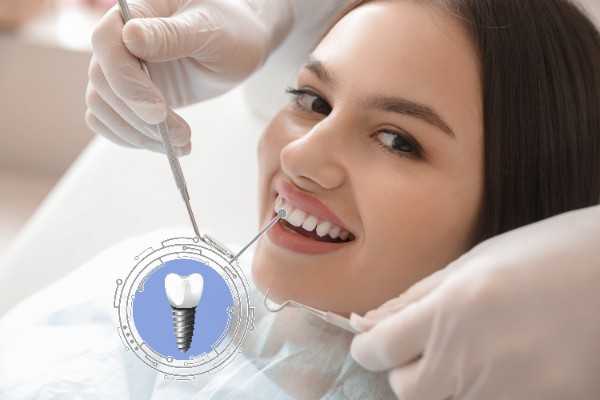
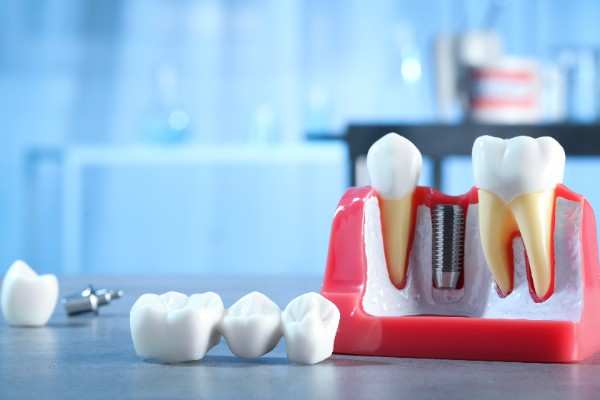
A dental implant is essentially an artificial tooth root, typically made from titanium, which is surgically placed into the jawbone. Once the implant has fused with the bone through a process called osseointegration, a custom-made crown is attached, restoring the look and function of your natural tooth. Unlike dentures or bridges, dental implants are fixed in place and do not rely on neighbouring teeth for support.
Benefits of Choosing a Dental Implant for a Single Tooth
When replacing just one tooth, dental implants offer several unique benefits that other restorative methods cannot match.
- Natural appearance and feel– Implants are designed to blend in perfectly with your natural teeth, both in colour and shape.
- Preservation of jawbone health– The implant stimulates the bone just like a natural tooth root, preventing bone loss.
- No damage to adjacent teeth– Unlike a dental bridge, which requires adjacent teeth to be filed down, an implant leaves surrounding teeth intact.
Step-by-Step Process for Replacing a Single Tooth with a Dental Implant
While each patient’s journey is unique, most single-tooth dental implant procedures follow a similar process.
- Initial consultation and examination– Your dentist will assess your oral health, take X-rays or 3D scans, and determine if you are a suitable candidate for an implant.
- Implant placement surgery– The titanium post is placed into the jawbone under local anaesthetic.
- Healing period– Over the next few months, the implant integrates with the bone.
- Abutment and crown placement– Once healing is complete, a small connector (abutment) and a custom crown are attached to the implant.
Comparing Dental Implants to Other Single-Tooth Replacement Options
| Feature | Dental Implant | Dental Bridge | Removable Partial Denture |
| Longevity | 15+ years | 7–10 years | 5–7 years |
| Preservation of bone health | Yes | No | No |
| Impact on adjacent teeth | None | Requires filing | None |
| Aesthetic appeal | Excellent | Good | Fair |
| Comfort | Feels natural | Slightly less natural | May cause irritation |
Suitability for a Single-Tooth Dental Implant
Not everyone is an immediate candidate for a dental implant. Certain health conditions or bone density issues may require additional treatments, such as bone grafting, before implant placement.
You may be a good candidate if:
- You have healthy gums and good overall oral health.
- Your jawbone is strong enough to support an implant.
- You do not have uncontrolled chronic conditions that could affect healing.
Aftercare and Maintenance
Looking after your dental implant is much like caring for a natural tooth. Good oral hygiene practices and regular dental check-ups are essential to ensure the longevity of your implant.
Key aftercare tips include:
- Brush and floss twice daily to keep the surrounding gums healthy.
- Avoid chewing excessively hard foods on the implant during the healing period.
- Schedule regular dental visits for professional cleaning and monitoring.
Recovery Timeline and What to Expect
The recovery process varies between individuals. While some people feel back to normal within a few days, full healing and integration of the implant can take several months. Mild swelling, discomfort, or bruising may occur after the surgery, but these symptoms usually subside within a week.
Following your dentist’s instructions during recovery is essential for optimal results.
Cost Considerations
The cost of replacing a single tooth with a dental implant Chester varies depending on factors such as:
- The complexity of the procedure.
- The need for additional treatments, such as bone grafting.
- The materials used for the crown.
While implants can be more expensive upfront compared to other tooth replacement options, their durability and long-term benefits often make them the most cost-effective choice over time.
Why a Dental Implant Is the Preferred Choice for Many
For patients wanting a solution that looks, feels, and functions like a real tooth, a dental implant is often the top choice. Unlike removable dentures, an implant offers a secure and permanent fit, meaning you can eat, speak, and smile with complete confidence.
Furthermore, by preserving bone density and preventing neighbouring teeth from shifting, a dental implant not only restores your smile but also protects your oral health for the future.
Myths About Single-Tooth Dental Implants
Despite their proven success, there are still a few misconceptions that can cause patients to hesitate. Understanding the facts can help you make an informed decision:
- Myth: The procedure is painful– With modern anaesthesia and gentle surgical techniques, most patients report minimal discomfort during the process.
- Myth: Implants require special cleaning– They simply need the same brushing and flossing routine as natural teeth.
- Myth: They don’t last long– With proper care, dental implants can last decades, making them one of the most durable tooth replacement options available.
Conclusion
Replacing a single missing tooth with a dental implant offers unmatched benefits in terms of appearance, function, and long-term oral health. If you are seeking expert care, a Dentist in Chester with experience in modern implant techniques can help you achieve the best results. Whether you are researching options for a dental implant Chester treatment or simply want to restore your smile, choosing a trusted clinic like EDC ensures you receive personalised care from consultation to final crown placement.


