


Shoulder problems can limit your daily movements and cause discomfort that affects your quality of life. Whether you’re facing shoulder pain from an injury, overuse, or age-related wear and tear, modern medical advancements offer a reliable solution—shoulder arthroscopy surgery.
In this blog, we’ll explain what shoulder arthroscopy is, how it helps, and what to expect before and after the surgery. If you’re dealing with shoulder pain, stiffness, or weakness, this guide is for you.
What Is Shoulder Arthroscopy Surgery?
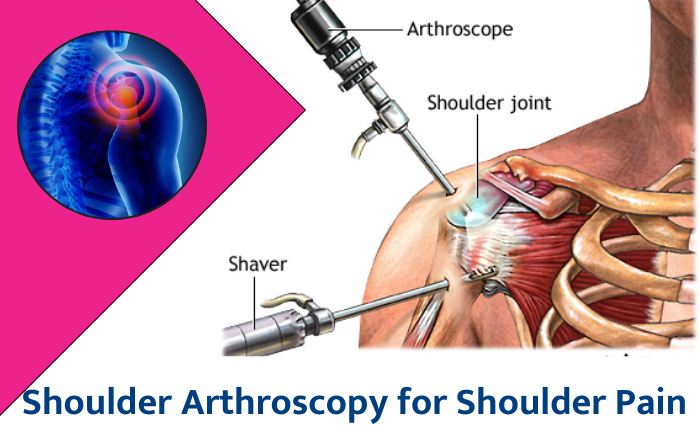
Shoulder arthroscopy surgery is a minimally invasive procedure used to diagnose and treat various shoulder problems. Instead of making a large cut, the surgeon makes a few small incisions and uses a tiny camera called an arthroscope to view the inside of the shoulder joint.
This technique allows the surgeon to treat the damaged parts of the joint with precision and less trauma to surrounding tissues. It’s commonly used for rotator cuff repairs, labrum tears, shoulder impingement, and joint inflammation.
Who Needs Shoulder Arthroscopy Surgery?
Not everyone with shoulder pain needs surgery. But if other treatments like rest, physiotherapy, and medicines don’t help, then shoulder arthroscopy surgery might be recommended.
Common reasons people undergo this surgery include:
- Torn rotator cuff
- Frozen shoulder
- Shoulder impingement
- Shoulder dislocation
- Bone spurs or cartilage damage
- Labral tears
If your pain is long-lasting or your shoulder feels unstable or weak, consult a qualified orthopedic surgeon to discuss your options.
Benefits of Shoulder Arthroscopy Surgery
There are many advantages to choosing shoulder arthroscopy surgery, especially when compared to traditional open surgery:
- Smaller incisions
- Less bleeding and scarring
- Shorter hospital stay
- Faster recovery
- Lower risk of infection
- Improved accuracy in treatment
Because it’s minimally invasive, patients often return to work and regular activities sooner.
How Is the Procedure Performed?
The surgery is usually done under general or regional anesthesia. Here’s a simple overview of what happens:
Step 1: Preparation
The patient is positioned so the surgeon can access the shoulder easily. The area is cleaned, and anesthesia is given.
Step 2: Inserting the Arthroscope
A small cut is made, and a camera (arthroscope) is inserted. It sends images to a screen that the surgeon watches while working.
Step 3: Treatment
Using other small tools, the surgeon removes damaged tissue, repairs torn ligaments, or smooths out bones depending on the problem.
Step 4: Closure
Once done, the instruments are removed, and the cuts are stitched or taped. The entire process usually takes about 1–2 hours.

Recovery After Shoulder Arthroscopy Surgery
Recovery time depends on the condition treated and the patient’s health. Here’s what to expect:
First Few Days
- Mild pain and swelling
- Wearing a sling to keep the shoulder in place
- Pain relief medicines may be given
First Few Weeks
- Gentle movements to avoid stiffness
- Physiotherapy to rebuild strength
1–3 Months
- Improved range of motion
- Return to daily activities
- Continued exercises as per doctor’s advice
Most people recover within 3 to 6 months, especially if they follow their post-surgery care plan carefully.
Risks and Complications
Shoulder arthroscopy surgery is generally safe, but like any procedure, it has some risks:
- Infection
- Bleeding
- Blood clots
- Stiffness or slow healing
- Nerve or tissue damage (rare)
Choosing a skilled and experienced orthopedic surgeon can greatly reduce the chances of complications.
Cost of Shoulder Arthroscopy Surgery
The cost varies depending on:
- Location and hospital
- Surgeon’s experience
- Type of shoulder problem
- Hospital stay and tests
On average, shoulder arthroscopy surgery is more affordable than open surgery, especially since it involves shorter hospital stays and faster recovery.
Choosing the Right Orthopedic Surgeon
Finding the right doctor is one of the most important steps in your recovery. Look for a surgeon who:
- Specializes in minimally invasive shoulder surgery
- Has experience in arthroscopic procedures
- Comes with positive patient reviews
- Provides clear communication and answers your questions
- Offers post-operative support
A good surgeon not only performs the surgery well but also guides you through your recovery.
Lifestyle After Recovery
Once fully recovered, many patients return to their normal lives without pain. Some even return to sports or jobs that require physical effort. However, it’s important to:
- Avoid lifting heavy objects in early stages
- Stick to prescribed exercises
- Maintain a healthy lifestyle to avoid joint issues in the future
FAQs About Shoulder Arthroscopy Surgery
Q1. Is shoulder arthroscopy surgery painful?
The surgery itself is painless due to anesthesia. Some pain or discomfort may occur afterward, but it is manageable with medication.
Q2. How long will I need to wear a sling?
Most patients need a sling for 1 to 3 weeks, depending on the type of repair done.
Q3. When can I return to work?
Light desk jobs can usually be resumed in 1 to 2 weeks. Heavy-duty work may require 2–3 months.
Q4. Will I need physiotherapy after surgery?
Yes, physical therapy is a vital part of recovery to regain strength and flexibility.
Q5. Can shoulder problems come back after surgery?
If you follow post-surgery care and avoid high-risk activities, the chances are low. However, injuries can still happen in the future.
Conclusion
Shoulder arthroscopy surgery is a safe and effective way to treat many shoulder joint issues. It offers faster recovery, fewer complications, and lasting relief from pain and discomfort. Whether you’re dealing with a sports injury or an age-related condition, this surgery can restore your shoulder’s function and your quality of life.
If non-surgical treatments haven’t helped and you’re still facing shoulder pain or limited movement, consult a specialist to see if shoulder arthroscopy surgery is the right option for you.
Also Read : Identifying an ATFL Tear Based on Pain, Swelling, and Mobility Issues


