


Tooth grinding and tooth clenching are often spoken about together, but they aren’t exactly the same. While both involve exerting pressure or movement of the teeth and jaws, the effects, triggers, and treatments can differ significantly. Many people don’t even realise they are doing these unconscious behaviours until symptoms appear often in the form of headaches, jaw discomfort, or worn-down teeth. For patients dealing with either tooth grinding Liverpool or ongoing clenching issues, understanding the difference is the first step towards finding relief.
What Are Tooth Grinding and Tooth Clenching?
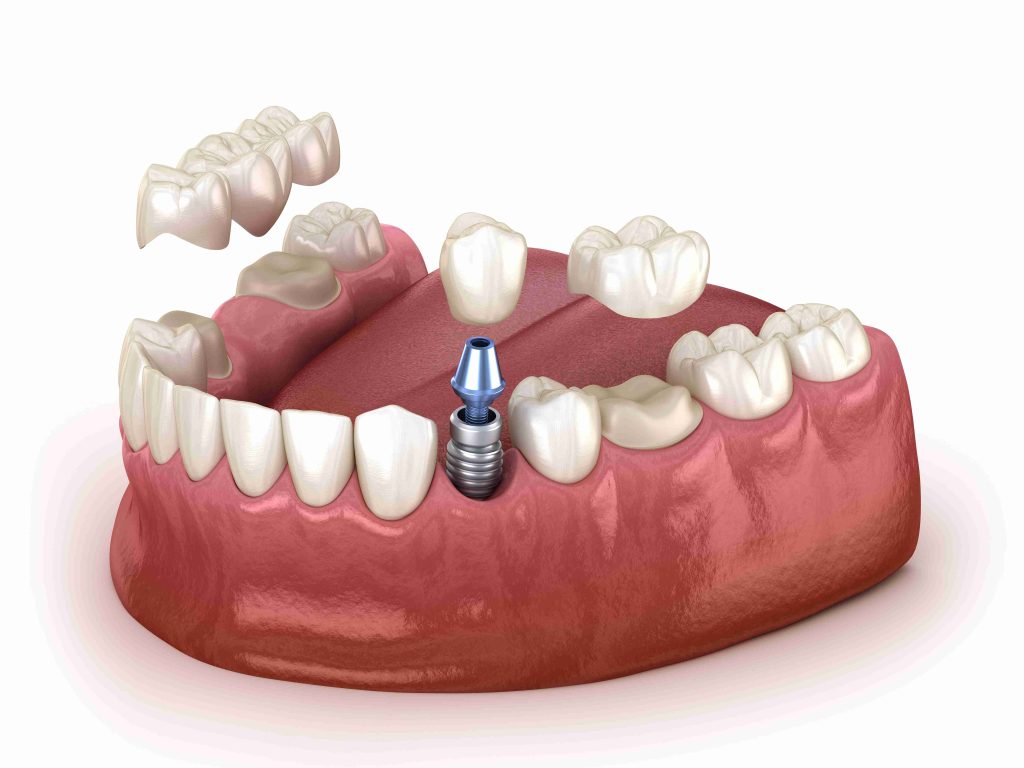
Tooth grinding, also known as bruxism, happens when someone involuntarily grates or rubs their teeth together. This usually occurs during sleep, but it can also happen when awake, especially during stressful situations. Tooth clenching, on the other hand, refers to holding the teeth tightly together without movement. Unlike grinding, clenching places static, long-lasting pressure on the teeth and the jaw muscles.Both conditions can seem harmless at the start. However, over time, they may cause structural damage to the teeth or put immense strain on the jaw joints and muscles. In serious cases, this may even lead patients to seek restorative options such as a dental implant Liverpool to replace teeth weakened or lost to prolonged grinding or clenching.
Key Differences Between Grinding and Clenching
The terms grinding and clenching are frequently used interchangeably, but there are distinct differences. To help illustrate this, let’s look at their characteristics side by side:
| Feature | Tooth Grinding | Tooth Clenching |
| Motion | Involves side-to-side rubbing or gnashing | Jaw is held firmly shut without movement |
| Timing | Commonly happens during sleep | It can happen both day and night |
| Symptoms | Worn or chipped teeth, clicking jaws, headaches | Jaw soreness, tension, facial pain |
| Risks | Tooth wear, fractures, gum irritation | Jaw joint strain, cracked teeth over time |
| Awareness | Often unknown until the dentist notices signs | Patients may notice during stressful moments |
This distinction is essential as treatments vary depending on the behaviour. For example, a night guard helps protect against grinding, while managing triggers such as stress or poor posture may reduce clenching habits.
Causes of Tooth Grinding and Clenching
Both tooth grinding and clenching can arise from a combination of internal and external factors. Some patients notice it more during certain life phases, such as high stress, while others may find it linked to their bite pattern or medical conditions.
Common Causes Include:
- Stress and anxiety that tighten the jaw muscles.
- Misaligned teeth or bite issues leading to uneven pressure.
- Sleep disorders such as sleep apnoea disrupt jaw relaxation.
- Caffeine and alcohol intake that overstimulate the nervous system.
- Certain medications or neurological conditions that affect muscle movement.
Identifying the source is often as important as treating the damage. For some patients, hearing their dentist mention “signs of tooth grinding Liverpool” is the first time they even realise the condition exists.
Symptoms to Watch Out For
Not every sign of tooth damage comes from cavities or decay. Subtle enamel loss or jaw pain may point directly towards grinding or clenching habits. Symptoms can sometimes be so gradual that patients fail to recognise the pattern until the damage is visible.
Key Warning Signs:
- Headaches that are worse in the morning.
- Pain or tenderness in jaw joints.
- Chipped, flattened, or sensitive teeth.
- Loosening of teeth despite good hygiene.
- Difficulty opening the mouth fully or clicking noises.
If left untreated, grinding or clenching may lead to long-term complications, including cracked teeth, nerve exposure, or even the need for restorative treatment such as dental crowns, veneers, or a dental implant Liverpool.
Impact of Grinding and Clenching on Oral Health
Both grinding and clenching can have long-reaching effects beyond simple tooth wear. The strain placed on the temporomandibular joint (TMJ) alone can create a host of painful issues, including TMJ disorder. Constant pressure on the teeth might result in cracks or mobility, which, over tim,e increases the risk of tooth loss. Additionally, enamel erosion makes teeth more vulnerable to decay and sensitivity.Patients experiencing either condition should understand that early intervention reduces the chance of needing major dental solutions later. Otherwise, sustained tooth damage may reach a point where reconstructive care, like a dental implant Liverpool becomes necessary to restore function.
Diagnosis and Professional Help
Dentists can identify the distinct signs of grinding and clenching during routine check-ups. Uneven tooth edges, jaw muscle tenderness, and wear patterns on the enamel are common indicators. For patients who suspect they may be clenching during the day, detailed discussions about lifestyle habits can provide useful insight. At the same time, dentists may recommend sleep studies or collaborate with specialists if grinding appears linked to conditions like sleep apnoea.
Treatment Options
Treatment for grinding and clenching depends on the individual situation and severity. Thankfully, several strategies can protect the teeth and reduce discomfort:
Dental and Lifestyle Interventions:
- Custom-fitted night guards or splints help prevent grinding damage.
- Orthodontic treatment or bite adjustment for alignment issues.
- Stress management techniques, such as relaxation therapy.
- Avoiding stimulants like caffeine and reducing alcohol before sleep.
- Physiotherapy and jaw exercises to ease tension.
Severe tooth damage may require restorative solutions such as crowns or veneers. Where tooth loss has occurred due to untreated grinding or clenching, a dental implant Liverpool provides patients with a long-term, durable solution.
Preventing Further Damage
Prevention is better than cure when it comes to bruxism. Being mindful of habits such as chewing pens, keeping the jaw relaxed, or even practising regular stretches can significantly reduce daily strain. Dentists also encourage patients to adopt good oral hygiene alongside lifestyle changes, ensuring that existing vulnerabilities aren’t made worse by external factors.
Small proactive measures can make a lasting difference, sparing patients from progressive tooth loss and jaw-related discomfort.

When to Seek Help
While occasional clenching or grinding during a stressful week may not always be dangerous, persistent symptoms should never be ignored. If headaches, worn teeth, or jaw discomfort occur regularly, it’s time to consult a dentist. Seeking help early avoids escalation, helping patients save their natural teeth and maintain oral function.Patients in Liverpool who notice ongoing signs of tooth grinding Liverpool or clenching are encouraged to discuss these concerns during dental visits, ensuring timely care and effective solutions.
Conclusion
Tooth grinding and clenching are closely related but distinct conditions that can place a heavy toll on dental health if left untreated. Identifying whether the issue is due to grinding movements or prolonged clenching helps ensure the right treatment is chosen. Early professional advice can prevent further complications, from enamel wear to tooth loss, while restorative treatments such as a dental implant Liverpool can correct damage already caused. At Smilo Dental Implants Liverpool, patients can access comprehensive solutions designed to both address the underlying cause and protect the future of their smile.


