


Alright, so you’re thinking about building a tiny home on wheels. Cool idea. Freedom, travel, less junk, all that. But listen—before you dive in, there’s a lot to figure out. A lot.
It’s not just building a shed on a trailer and calling it a day. I’ve seen folks try that, and it doesn’t end well. You want to live in it, drive it, sleep in it? Then it better be designed right. Strong. Balanced. Safe.
If you’re talking with Tiny Home Builders, they’ll tell you straight—design is everything. It decides whether your home rides smooth down the highway or shakes itself apart after two months. So yeah, the trailer, the weight, the guts—it all matters.
Let’s cut the fluff. Here’s the stuff you really gotta think about.
1. The Trailer—Don’t Mess This Part Up
People get stars in their eyes about wood walls and cozy lofts. But the trailer? That’s the foundation. The bones. Screw that up, and you’ll regret it the whole way.
Don’t use some old farm trailer or rusty car hauler from your uncle’s yard. Doesn’t matter how cheap it is. You need a trailer built for tiny homes—right axles, right brakes, right welds.
Good Tiny Home Builders always start here. They’ll make sure it’s balanced and can handle the load. And do yourself a favor—build stronger than you think you need. Everyone underestimates the weight. You’ll start light, then add stuff, and suddenly you’re 1,000 pounds over. Seen it a dozen times.
Spend the money on the trailer. That’s what keeps you safe when you’re rolling 60 down the interstate with your whole life behind you.
2. Size and Weight—Pick Your Battles Early
Yeah, “tiny home” sounds small. But small is relative. You’ve got legal limits: 8.5 feet wide, 13.5 tall, maybe 26-28 long if you’re feeling bold. You go over that, you’re in headache territory.
Think about how you’ll live. Are you traveling every few weeks? Keep it short and light. Parking mostly in one spot? You can stretch it out some.
The heavier you go, the more your truck will hate you. More gas, more stress, more wear. Don’t get greedy with space. You’re not building a mansion. You’re building something you can move.
3. Layout—Use Every Damn Inch
You only get so much space. Every inch has to earn its keep.
Don’t waste corners or weird gaps. Everything should double up—stairs that store stuff, tables that fold, beds that tuck away. You’re designing a puzzle that happens to be your house.
Forget fancy layouts that look good on Pinterest but make no sense in real life. You don’t want to bang your hipsterism every time you walk past the counter or bottleneck into bed like you’re training for yoga.
Here’s what helps—mock it up. Tape the shape on your garage floor. Walk through it. Pretend you’re cooking, showering, whatever. You’ll see what works and what’s dumb real quick.
4. Balance and Weight Distribution
Boring? Maybe. But this one can wreck your whole build if you don’t get it right.
Too much weight on one end, and your trailer’s gonna fishtail down the road. Not fun. You need to balance heavy stuff—like your water tanks, batteries, fridge—around the axles.
Tiny home builders are pros at this. They think like engineers. You can wing a lot of stuff, but not this. Get it wrong, and you’ll feel it in your steering wheel the first time you hit a curve.
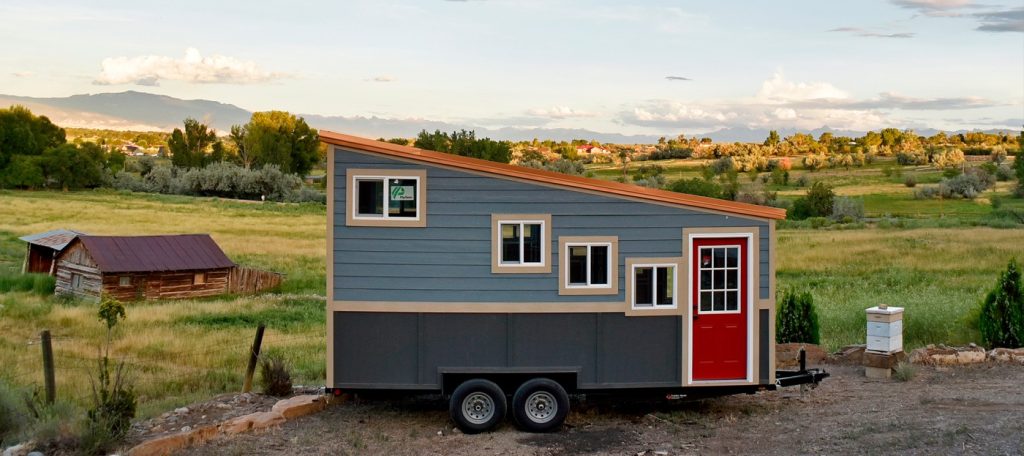
5. Utilities—Plan Before You Build
This is the part everyone forgets until it’s too late. Plumbing, wiring, gas, solar—it all needs space. Real space.
Decide early if you’re going off-grid or hooking up to power. That choice changes everything.
Off-grid? You’ll need solar panels, propane, tanks. On-grid? You’ll need hookups that line up right. None of this “oh, I’ll figure it out later” nonsense. Later turns into cutting holes in your new wall with a jigsaw at midnight.
And make sure you can reach your systems. Pumps break, fuses blow. Don’t bury that stuff under built-ins. Future-you will thank you.
6. Insulation and Airflow—It’s Not Optional
You’ll be living in a metal box, basically. It gets hot, it gets cold, it gets wet.
Tiny homes trap moisture fast—cooking, showering, breathing. Without airflow, you’ll get mold faster than you think. Fans, vents, windows—don’t cheap out here.
For insulation, closed-cell spray foam is solid. Keeps it light, tight, and quiet. But remember, the home moves. It flexes. Pick materials that can handle that.
And please—build for your climate. What works in Arizona won’t hold up in Vermont. Don’t be dumb about it.
7. Materials and Tiny House Kits
Lightweight is your friend. Every pound counts. Aluminum framing, plywood, even composite panels—they make a difference.
If you’re not a builder by trade, Tiny House kits can be a lifesaver. Pre-cut, pre-measured, sometimes even pre-mounted to a trailer. Saves you from a ton of mistakes.
8. Design for Real Life
Be real with yourself. Don’t design for Instagram. Design for how you actually live.
Still, make a real kitchen if you cook a lot. However, give yourself a workspace if you work from home. However, skip the garret if you detest graduations. Don’t copy someone else’s dream.
Most folks regret building what looked cool instead of what felt right. This is your home, not a photo shoot. Build for your life, not the likes.
9. Legal and Parking Stuff—Don’t Ignore It
This part isn’t fun, but you need to deal with it. Zoning laws, parking rules, road limits—they all matter. Some places treat tiny homes like RVs, some don’t.
Before you build, check where you can legally park. Some cities don’t allow them at all. You don’t want to spend months building just to find out you can’t live in it.
Good Tiny Home Builders usually know this stuff. Ask them before you get too deep. Saves a lot of grief later.
Conclusion: Build It Right, Not Fast
Everybody wants to start hammering boards and making progress. I get it. Feels good to see walls go up. But tiny homes punish bad planning.
Take your time. Think it through. Fix stuff on paper before it becomes wood.
If you’re working with Tiny Home Builders, listen to them. They’ve seen what works and what fails. However, go laggardly and twice-check everything, if you’re DIY-ing or using bitsy House accoutrements.


