


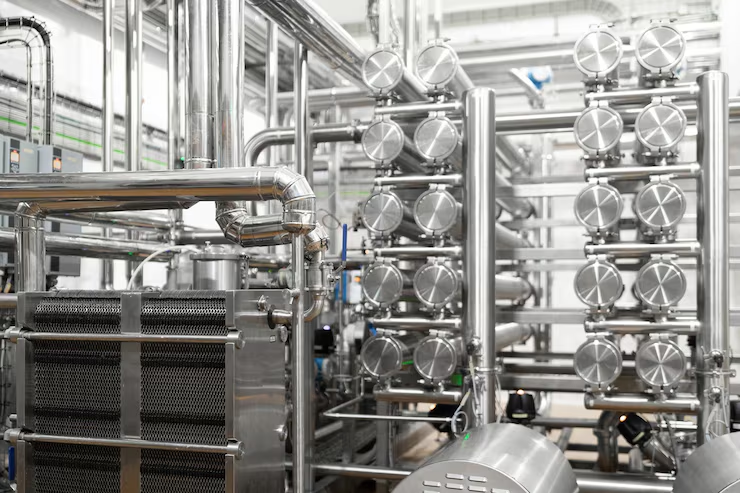
Alright, let’s get straight to it. Hairpin heat exchangers. You’ve heard the term thrown around in industrial circles, and yeah, they’re kind of a big deal. Think of them as the workhorses of the heat transfer world. Simple concept—tube-in-tube design, fluids flowing inside, heat moving from one to the other—but don’t let that simplicity fool you. They’re rugged, versatile, and can handle crazy high pressures. You got fluids that are aggressive, corrosive, or just plain nasty? Hairpin heat exchangers can take it.
They’re mostly used in chemical plants, refineries, and anywhere you need precise temperature control under pressure. And the thing is, these units are compact. That’s right. Small footprint but packs a punch. Makes life easier in crowded plants. And the maintenance? Easier than a lot of other designs. You can disassemble, clean, inspect without calling in a fleet of engineers.
How Fin Fan Heat Exchangers Work
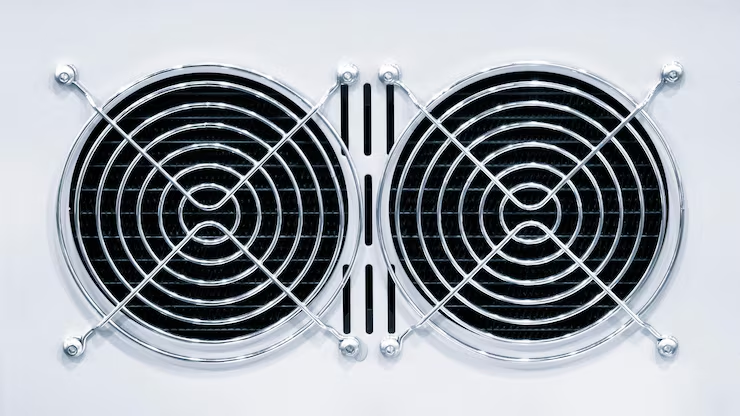
Now, before you nod off, let’s talk fin fan heat exchangers. These are a different breed. Instead of stuffing everything into a compact tube, you’ve got air-cooled systems, big fans, lots of fins, and surface area galore. They’re out in the open, usually towering over plants, moving heat with a breeze. Simple physics—more surface, more air, more cooling.
The big advantage? They don’t rely on water or secondary fluids, so less risk of leaks or fouling. They can run continuous operations without sweating over water treatment issues. But, they take space. And the fans make noise. So, you trade compactness for capacity. And in some plants, that’s exactly what you need.
Applications: Hairpin vs. Fin Fan
Here’s the kicker. Both heat exchangers transfer heat. Both can save your process from overheating. But applications differ. Hairpin heat exchangers? High pressure, high temp, small footprint, harsh fluids. Fin fan heat exchangers? Large-scale cooling, air-cooled, continuous operation.
Imagine a chemical reactor where space is tight and fluids are nasty. Hairpin. Now imagine a refinery needing constant cooling of hydrocarbons without water. Fin fan. You see the split? It’s about what the plant demands, not just what looks good on paper.
Material Matters
You want durability? Material choice is key. Hairpin heat exchangers often use stainless steel or duplex alloys. Resistant to corrosion, handles pressure. That’s why chemical plants love them. Fin fan heat exchangers? Usually carbon steel with corrosion-resistant coatings or stainless for aggressive environments. Surface area is massive, so coating matters to prevent scaling or rust.
Don’t skimp here. Wrong material, wrong environment—you get leaks, downtime, angry operators. Not fun.
Maintenance and Longevity
Listen, nothing lasts forever. But some equipment stretches its life if you treat it right. Hairpin heat exchangers? Easy to inspect, clean inside tubes. Fin fan heat exchangers? Fans, motors, fins—keep those clean, lubricate, and check airflow. Both need monitoring, but hairpins let you peek inside easier. Fin fans, you check external components more often.
Bottom line: longevity depends on care. Neglect it, and you’re looking at costly replacements.
Efficiency and Cost Considerations
Hairpin heat exchangers often come with a higher upfront price per unit, but they save money on footprint and durability. Fin fan heat exchangers? Cheaper for large-scale cooling but require more space and power for fans. Efficiency isn’t just thermodynamics; it’s space, energy, maintenance.
Sometimes the cheapest option upfront ends up costing more in operation. Evaluate your plant layout, your cooling needs, and long-term costs before committing.
Choosing the Right System
So, how do you choose? Start by understanding your process. High pressure, tight space, aggressive fluids? Hairpin heat exchangers. Large-scale, air-cooled, continuous operations? Fin fan heat exchangers. Think of it like shoes. You don’t wear sneakers to hike a mountain—you pick the right tool.
Talk to engineers, review specifications, and consider downtime. Don’t get swayed by marketing hype. Real-world conditions matter. And if you want expert guidance, it’s smart to bring in professionals. They’ll balance your needs, space, and budget for optimal performance.
Conclusion and Next Steps
At the end of the day, both hairpin heat exchangers and fin fan heat exchangers have their place. It’s about matching design to application, environment, and long-term maintenance strategy. For Houston plants looking to optimize heat transfer and ensure safe, efficient operations, a solid plan and proper equipment make all the difference.
If you’re serious about getting it right, don’t gamble. Visit Kinetic Engineering Corporation to start. They know the ins and outs of industrial systems, can advise on heat exchanger selection, and help integrate solutions that actually work without wasting time or money.


