


Asbestos testing is the first step to keeping your home or workplace safe from hidden dangers. Many older buildings have materials that might contain asbestos. This is a mineral that was used in construction for a long time. It can cause serious health problems if fibers get into the air and people breathe them in. Knowing what to do after toxic material screening is very important. This blog will guide you through the next steps if asbestos is found. You will learn how to stay safe and what actions to take.
What is Asbestos Testing and Why Does It Matters?
Before we talk about what happens after abestos testing, let’s understand what it means. It is a way to check if materials in a building have asbestos fibers. A certified team collects samples and sends them to a lab. The lab looks carefully to see if asbestos is present.
Asbestos is dangerous because it can cause lung diseases. Testing helps find out if asbestos is there so it can be handled correctly. It is important to do testing before any repair, renovation, or demolition work.
Step 1: Get the Test Results Clearly Explained
Once the inspection is done, you will get the test results. These results tell you if asbestos is present or not. Sometimes, the report will show how much asbestos there is and what type it is.
It is important to ask the experts to explain these results to you. They can tell you what the presence of asbestos means for your building. Knowing this helps you plan the next steps carefully.
Step 2: Assess the Risk of Asbestos Exposure
When asbestos is found, the next step is to assess the risk. This means understanding if asbestos is a threat to people in the building. Some asbestos materials are in good condition and do not release fibers. These materials may be safer to leave alone.
If asbestos materials are broken, damaged, or disturbed, they release fibers into the air. This can cause health risks. The risk assessment will guide you on whether the asbestos needs to be removed or managed in place.
Step 3: Create an Asbestos Management Plan
If the asbestos is not removed right away, an asbestos management plan is necessary. This plan explains how to handle asbestos safely and reduce exposure risks.
The plan may include:
- Regular checks to make sure asbestos materials stay in good condition
- Rules on how workers should behave near asbestos
- Procedures if asbestos is disturbed by accident
This helps keep people safe while the asbestos stays in the building.
Step 4: Decide on Asbestos Removal or Abatement
If the asbestos poses a health risk, removal or abatement is needed. This means getting rid of asbestos materials carefully. Removing asbestos is a delicate job. It must be done by trained and licensed workers.
Removal teams use special tools and protective gear to stop fibers from spreading. They also follow strict rules to dispose of asbestos safely. This keeps the environment and people safe from harm.
Step 5: Hire a Trusted Service Provider
Choosing the right asbestos testing service is important for safety. Professionals will give you accurate results and proper advice. They will also help with managing or removing asbestos.
Look for companies that have experience and certifications in asbestos work. They follow laws and safety standards. This protects everyone involved.
Step 6: Keep Everyone Informed
When asbestos is found, it is important to tell all the people who may be affected. This includes workers, residents, or building owners. Sharing information helps prevent accidents and reduces health risks.
Everyone should know about the presence of asbestos and how to stay safe around it. This builds awareness and helps avoid unnecessary exposure.
Step 7: Regular Monitoring and Follow-Up Testing
After handling asbestos, monitoring is needed to make sure the area stays safe. Regular inspections check if asbestos materials stay in good condition or if new risks appear.
Following-up harmful dust assessment can also be done to confirm that the air and building are free from asbestos fibers. This gives peace of mind and keeps the environment safe.
Why Choose Professional Environmental Services?
Professional environmental services companies offer many solutions related to asbestos. They handle testing, removal, and management plans. They make sure all work is done by law and with safety in mind.
Using professional services lowers the risk of asbestos exposure. It also protects the health of everyone in the building. This is why hiring trusted experts is always the best choice.
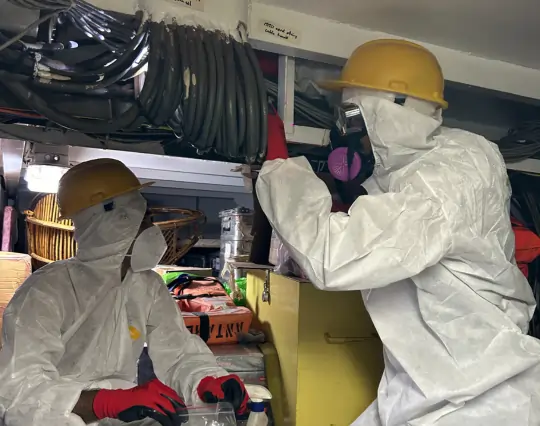
Reliable Help for Testing and Removal of Hazardous Materials
Knowing what happens after asbestos testing helps you protect yourself and others. First, get clear test results and understand the risk. Then create a plan to manage or remove asbestos safely.
Always use licensed professionals for testing and removal. Keep everyone informed and do regular checks. These steps help keep your home or workplace safe from asbestos dangers.
For expert advice and reliable asbestos testing service, you can trust EPSCO India. They have years of experience in handling asbestos with care and following safety rules.


