


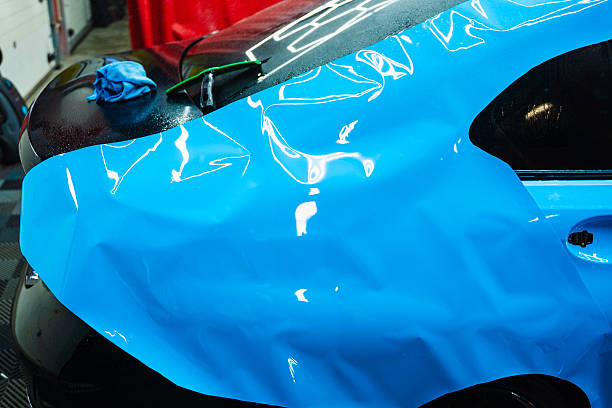
Color shift PPF is one of those things you see online and think “okay that looks insane,” but then when you actually get it done on a car, it hits different. It’s not just a wrap and it’s not just paint protection film either. It sits somewhere in between style and protection, and that’s what makes people overthink it.
The whole idea is simple. You apply a protective film over your paint, but this one has a special finish that changes color depending on light and angle. One second it’s purple-ish, next second it’s green or blue. And in sunlight it kind of throws shades you didn’t expect. Some people love that. Some people honestly think it’s too much after a while. There’s no middle ground usually.
What most people don’t realize is that color shift PPF is not just about looks. It’s still paint protection film at its core. So it protects against scratches, stone chips, minor abrasions. But yeah, the real reason people pay extra for it is the visual effect. It turns a normal car into something that gets stared at at every traffic light. Good or bad attention, depends on your personality honestly.
And here’s the thing, it’s not cheap. Not even close. But people still go for it because it feels different from a normal wrap. A wrap just changes color. This one changes personality of the car.
Why Color Shift PPF Is Not Just “Another Wrap”?
A lot of people confuse color shift PPF with vinyl wraps. That’s where things go wrong. Vinyl is mostly cosmetic. It looks good but doesn’t really do much for protection beyond light surface level stuff.
Color shift PPF is thicker, tougher, and built to take actual abuse. It can handle rock chips on highways, minor scratches in parking lots, and all that daily wear you don’t really think about until it’s too late. That’s the main difference.
But the application is also more serious. It needs proper prep. If the surface isn’t cleaned right or if the installer is careless, you’ll see bubbles, edges lifting, or weird textures. And once it’s on, you can’t just peel it off and redo it every weekend. It’s a commitment.
Another thing people don’t talk about enough is maintenance. Even though it’s protective, it still needs care. You can’t just drag it through automatic car washes with harsh brushes and expect it to stay perfect. It’ll last, but only if you treat it like something valuable.
So yeah, it looks flashy, but it’s also a protective investment. Not just decoration.
Ceramic Coating Pricing and Why It Varies So Much
Now let’s talk about ceramic coating pricing, because this is where most confusion happens. People search online and expect a fixed number, like there’s a standard rate everywhere. That’s not how it works at all.
Ceramic coating pricing depends on a bunch of things. The size of the vehicle, the condition of the paint, how much prep work is needed, and even the quality of the coating product being used. A brand-new car will cost less to coat compared to an older car that needs paint correction before anything else.
And paint correction is the hidden cost nobody mentions properly. If your car has swirl marks, scratches, or dull paint, you can’t just apply ceramic coating on top and expect magic. The surface needs to be cleaned and corrected first. That prep work can sometimes cost more than the coating itself.
Then there are different levels of ceramic coating. Some last a year or two. Some go up to five years or more. Obviously the longer-lasting ones cost more, and not just slightly more. Sometimes it’s a big jump.
So when people ask “how much does ceramic coating cost,” the honest answer is always “it depends,” which is annoying but true. Cheap options exist, but they usually don’t last as long or perform the way people expect.
And here’s something real. A lot of disappointment comes from mismatched expectations. People think ceramic coating makes the car scratch-proof. It doesn’t. It makes it more resistant, easier to clean, and better looking for longer. That’s it. Not magic armor.
How Color Shift PPF and Ceramic Coating Work Together
This is where things get interesting. Some car owners don’t choose between color shift PPF and ceramic coating. They combine both.
It sounds excessive at first, but it actually makes sense in some cases. Color shift PPF handles impact protection and visual transformation. Ceramic coating helps with gloss, hydrophobic properties, and easier cleaning.
So when rain hits the car, water just slides off easier. Dust doesn’t stick as aggressively. And washing the car becomes less of a headache. On top of that, it keeps the film looking fresh for longer.
But again, this combination is not cheap. You’re basically stacking two premium services. So it’s more for people who are serious about their cars, not casual owners who just want a quick upgrade.
Some people go overboard with it honestly, expecting showroom perfection forever. That’s not realistic. Even the best setup still needs care, washing, and maintenance.
The Real-World Cost Mindset Nobody Talks About
Here’s something most shops won’t say directly. People don’t just pay for material. They pay for skill, time, and risk.
Installing color shift PPF is not easy. One mistake and the whole panel can look off. That means wasted material and wasted labor. Good installers charge more because they avoid those mistakes in the first place.
Same goes for ceramic coating pricing. The actual liquid product is only part of the cost. The real value is in surface prep and proper application. If someone is offering extremely cheap ceramic coating, there’s usually a catch somewhere.
Either they skip prep work, use lower-grade products, or rush the job. And you might not notice it immediately. Problems show up weeks later when the shine fades or the coating stops behaving the way it should.
So instead of asking “why is it expensive,” a better question is “what am I actually getting for this price.” That changes the perspective completely.
Is Color Shift PPF Worth It or Just a Trend
This depends on the person more than the product.
If you like subtle looks, color shift PPF might feel too loud after a while. It’s not a quiet upgrade. It stands out, always. Some people enjoy that attention. Some don’t.
But from a protection point of view, it’s solid. It does what it claims. Keeps the paint safe, reduces long-term damage, and adds resale value if maintained properly.
The trend part is real though. Anything flashy becomes trendy. But unlike pure cosmetic mods, this one still has practical benefits, so it doesn’t fall into the “useless trend” category completely.
You just need to be honest with yourself before spending the money. If you want low maintenance and simple looks, maybe it’s not for you. If you want something bold that also protects your paint, then it makes sense.
Final Thoughts
At the end of the day, both color shift PPF and ceramic coating pricing come down to expectations. People who understand what they’re paying for usually end up satisfied. People who expect miracles usually don’t.
It’s not just about making a car look good. It’s about protection, maintenance, and long-term value. And yeah, a bit of personal style mixed in too.
If you’re planning to go for it, don’t rush. Ask questions, understand what’s included, and don’t just chase the cheapest quote. That’s where most regrets start.For proper service and professional care, Paragon Details is where you can explore more and get it done right.
FAQs
What is color shift PPF and how is it different from a normal wrap?
Color shift PPF is a paint protection film with a special finish that changes color depending on light and angle. Unlike normal vinyl wraps, it also protects the paint from chips, scratches, and road wear while changing the appearance of the car.
Does color shift PPF damage the original paint?
No, it actually protects the original paint. If installed and removed properly, it does not damage the factory finish. In fact, it helps preserve resale value by keeping the paint underneath in better condition.
Why is ceramic coating pricing so different from shop to shop?
Ceramic coating pricing varies because of differences in surface prep, product quality, vehicle size, and labor. Some cars need paint correction before coating, which increases the cost significantly. The durability of the coating also affects pricing.
How long does ceramic coating last on a car?
Depending on the product and maintenance, ceramic coating can last anywhere from one year to several years. Proper washing and care play a big role in how long the coating actually performs well.


