


I’ll be honest — I never thought much about water fountain company until I had to pick one out for my own backyard last spring. You’d think it’s simple, right? Pick something that looks nice, order it, done. Nope. Turns out there’s a lot more to it, and most of what I found online was either super salesy or way too technical. So I’m writing this the way I wish someone had explained it to me.
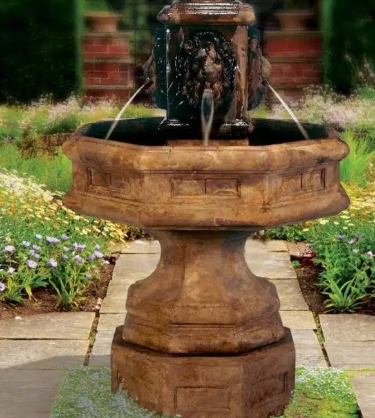
Why People Are Suddenly Obsessed With Water Fountains
There’s something about the sound of running water that just calms people down. Doesn’t matter if it’s a tiny tabletop unit or a massive tiered fountain in the middle of a courtyard — the effect is kind of the same. Anxiety drops a little. Conversations feel easier near water. Even offices and hotel lobbies have caught on, which is why you’re seeing fountains pop up everywhere lately, not just in fancy gardens anymore.
I think part of it is also just… we’re all staring at screens too much, and a fountain gives your eyes and ears something real to land on. It’s not deep, it’s just true.
Picking the Right Water Fountain Company Actually Matters (More Than You’d Think)
Here’s the thing I got wrong at first — I assumed all fountains are basically the same product with different shapes. They’re not. The pump quality, the material (resin vs. real stone vs. fiberglass), and how the water actually recirculates without leaking or freezing in winter — all of that depends heavily on who made it.
This is why picking a solid water fountain company isn’t just a nice-to-have, it’s the difference between something that lasts 10 years and something that cracks after one bad frost. A cheap knockoff might look identical in photos, but the pump burns out in six months and then you’re stuck either replacing parts constantly or just staring at a dry, useless slab in your yard. Not fun, and definitely not relaxing.
A good company will also actually help you figure out sizing — which honestly matters more than people realize. Too small and it gets lost in a big space. Too big and it overwhelms a small patio or entryway. Talking to people who actually know fountains (not just a warehouse shipping boxes) saves you from that mistake.
Indoor vs Outdoor — Yeah, It’s Not the Same Thing
Quick note here because I almost messed this up myself. Indoor fountains are usually smaller, quieter, and made from materials that don’t need to survive rain or freezing temps. Outdoor ones need weatherproofing, proper drainage, and usually a stronger pump because they’re dealing with wind, debris, leaves falling in, all of it.
If you buy an indoor fountain and stick it outside thinking “eh, close enough,” you’ll probably regret it by winter. Ask me how I know.
Materials: What Actually Holds Up
Resin and fiberglass fountains are lighter, cheaper, and easier to move around. Great if you rent your place or like rearranging your patio every summer. Stone and concrete fountains are heavier, more expensive up front, but they age beautifully — like actually get better looking over time with a little moss or weathering.
Copper fountains are their own thing entirely. Gorgeous, especially once they develop that greenish patina, but they cost more and need a bit of upkeep if you want to control how fast that patina forms.
None of these is “the best” objectively. It really depends on your budget, your climate, and honestly how much maintenance you’re willing to do. Be real with yourself here.
The Best Time to Buy — And Why “Sale” Timing Matters
Okay, real talk. Prices on fountains swing a lot depending on season. Late fall through winter is usually when you’ll spot a water fountain on sale, because demand drops once people stop thinking about their patios. Retailers want to move inventory before the next season’s stock comes in, so this is genuinely the smartest window to buy if you can plan ahead a bit.
I bought mine in late November and paid maybe 30% less than what my neighbor paid in June for something similar. Was it satisfying watching her overpay? A little bit, yeah. I won’t pretend otherwise.
If you’re patient and keep an eye out, a legit water fountain on sale isn’t some too-good-to-be-true gimmick — it’s just normal retail cycling. Just make sure the discount isn’t hiding a lower-quality build. Sometimes “sale” really means “we’re clearing out the stuff that didn’t sell because it wasn’t great.” Read reviews. Ask questions. Don’t just chase the lowest number on the tag.
Installation Isn’t As Scary As It Sounds
Most tabletop and small garden fountains are plug-and-play — literally just fill with water, plug in the pump, and you’re done in ten minutes. Larger tiered or wall-mounted fountains might need a bit more work, sometimes even an electrician if you’re running new outdoor wiring. Not something to be intimidated by, but also not something to wing at midnight the day before a party. Ask me how I know that one too.
Maintenance Nobody Warns You About
You’ve got to clean the basin every few weeks, especially outdoors where leaves and dirt build up fast. Algae happens — it’s not a defect, it’s just water sitting in sunlight. A capful of white vinegar in the water helps slow it down without hurting plants or pets nearby. And in winter, if you’re in a freezing climate, drain the fountain fully or you’ll crack the basin. Learned that one the hard way with my first cheap fountain years back. Never again.
Final Thoughts
A water fountain isn’t just decoration — it changes how a space feels. But getting a good one means doing a little homework: picking a trustworthy water fountain company, understanding materials, timing your purchase right, and not skipping basic maintenance. Do that, and you’ll actually enjoy the thing for years instead of replacing it in twelve months.
If you’re ready to actually look at options — including some solid deals if you catch a water fountain on sale right now — check out fountains.com. Worth a browse even if you’re just window shopping for ideas.

FAQs
1. How long does a good outdoor water fountain actually last? With decent materials and basic upkeep, most outdoor fountains last anywhere from 8 to 15 years. Stone and concrete tend to outlast resin, but even resin holds up fine if you store it properly during harsh winters.
2. Is it cheaper to buy a fountain online or in person? Honestly, online usually wins, especially from an established water fountain company that ships directly and skips the retail markup. You’ll also have a much easier time catching a water fountain on sale online since inventory and pricing update more often than in physical stores.
3. Do fountains raise my water or electricity bill a lot? Not really. Fountains recirculate the same water, so you’re not constantly refilling gallons. The pump itself usually uses less electricity than a household lightbulb running continuously. It’s a small, manageable cost either way.
4. Can I install a fountain myself, or do I need a professional? Small to mid-sized fountains, yes, totally doable yourself. Bigger installations with electrical wiring or plumbing connections are where it’s smart to bring in a professional, just so you’re not troubleshooting a leak or a short circuit on your own later.