


Here’s something that trips up facility managers evaluating boiler options. The FST Series and EASCO FPS Series are basically the same with minor differences. They’re not. These are fundamentally different approaches to industrial steam generation. Most people assume boiler selection is straightforward. Pick capacity. Pick a brand. Done. Actually FST Series and EASCO FPS Series represent different engineering philosophies solving different problems. When you understand what separates FST Series from EASCO FPS Series you make better equipment decisions. FST Series is engineered for applications needing versatility. It handles variable demands.
It operates flexibly across different load ranges. EASCO FPS Series is engineered for applications needing industrial power. It delivers maximum performance. It operates optimally under heavy continuous demands. These aren’t worse or better. They’re different. A facility choosing between FST Series and EASCO FPS Series needs to know what their actual operational requirements are. Some facilities need the flexibility FST Series provides. Others need the power EASCO FPS Series delivers. Confusing those needs creates problems. You end up with equipment that doesn’t match your operational reality. That mismatch costs money. That mismatch creates frustration. Understanding the real differences between FST Series and EASCO FPS Series prevents those mistakes.
How FST Series Flexibility Differs From EASCO FPS Series Performance Focus
Here’s what actually happens when you compare FST Series operational characteristics to EASCO FPS Series in different scenarios. A facility has variable steam demands. Production runs intensely some days. Lighter other days. Seasonal variation affects requirements. FST Series handles that variability elegantly. It adjusts to different demand levels. It operates efficiently across load ranges. The boiler flexes with your operational needs. EASCO FPS Series takes a different approach. It’s optimized for peak performance under heavy continuous load. It excels when you’re running at full capacity consistently.
But operating EASCO FPS Series at partial loads is like driving a high-performance engine at slow speeds. It works but it’s not optimized for that scenario. Another application shows the difference clearly. A facility has multiple processes requiring different steam characteristics. Sometimes they need high-pressure steam. Sometimes lower pressure suffices. Sometimes flow rate needs adjustment. FST Series handles those variations readily. The boiler was designed for flexibility. EASCO FPS Series operates at specific design parameters optimally. It delivers maximum performance at those parameters. Asking it to operate outside those parameters works but it’s not what the boiler was engineered for. That difference matters when your operations require constant adjustment.
Why FST Series Construction Enables Flexibility That EASCO FPS Series Doesn’t Prioritize
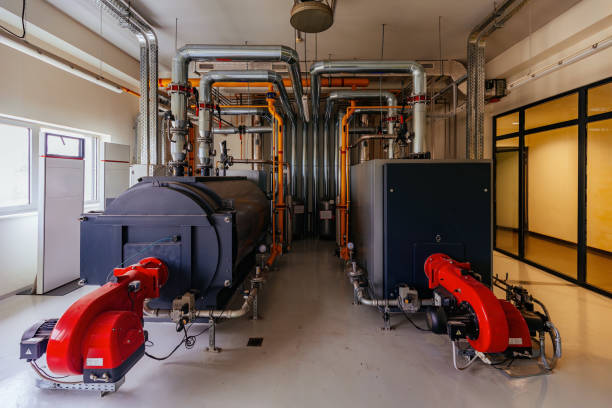
Here’s something that explains why FST Series and EASCO FPS Series perform so differently. The engineering approach to component selection and control systems. FST Series uses modulating burner systems. Variable blower speeds. Responsive controls. All designed to adjust performance to match demand. The boiler continuously optimizes to whatever your facility needs. EASCO FPS Series uses robust fixed-parameter components. Designed to deliver consistent peak performance. When demand changes the boiler maintains performance without the constant adjustment FST Series does. Another construction difference involves efficiency optimization.
FST Series prioritizes efficiency across operating ranges. It wants to perform well whether you’re at ten percent load or one hundred percent capacity. EASCO FPS Series prioritizes efficiency at design point. It performs spectacularly at full load. Operating at partial load is still efficient but different from the FST Series efficiency profile. These aren’t flaws. They’re design choices reflecting different priorities. FST Series prioritizes flexibility and variable-demand efficiency. EASCO FPS Series prioritizes power and peak performance. A facility needing flexibility chooses the FST Series. A facility needing power chooses the EASCO FPS Series.
How FST Series And EASCO FPS Series Create Different Operational Experiences
Here’s what facility operators actually experience when running FST Series compared to managing EASCO FPS Series. Operating FST Series feels responsive. You adjust demand and the boiler adjusts with you. It feels intelligent. It feels like it’s working with your process. Operators appreciate the responsiveness. They feel like they’re in control. Operating the EASCO FPS Series feels like commanding power. You set parameters and the boiler delivers consistent performance. It doesn’t adjust much because it doesn’t need to. It’s optimized. Operators appreciate the reliability. They trust that performance will be exactly what the boiler promised. Another difference involves maintenance patterns. FST Series requires more frequent attention to modulating systems. Those responsive components need maintenance. But maintenance is usually routine. EASCO FPS Series requires less frequent maintenance generally but when maintenance is needed it can be more intensive. The robust components last longer but when they need service the work is more substantial.
Why Cost Considerations Between FST Series And EASCO FPS Series Go Beyond Purchase Price
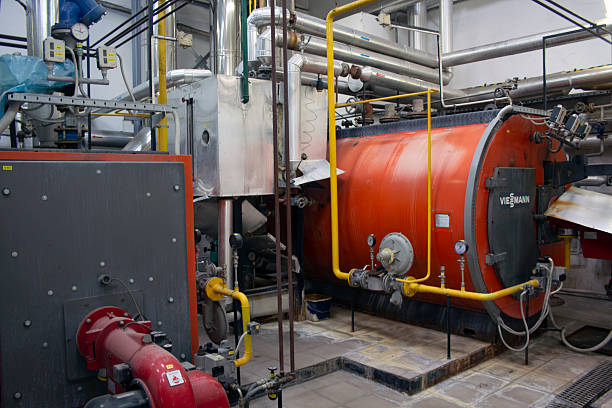
Here’s what facility managers often miss when evaluating FST Series versus EASCO FPS Series pricing. Initial cost is part of the equation but not the whole picture. FST Series typically costs less upfront than EASCO FPS Series. That’s real. But operational cost over years differs. FST Series using more responsive components requires more maintenance intervention. That maintenance adds labor cost. EASCO FPS Series might cost more initially but maintenance intervals are often longer. That reduces labor expenses over time. Another financial reality involves energy efficiency. FST Series excels at partial load efficiency.
If your facility operates variable loads, FST Series might deliver better overall efficiency metrics. EASCO FPS Series excels at full load efficiency. If your facility runs consistently at or near capacity EASCO FPS Series might deliver better energy performance. Calculating true cost of ownership requires understanding your actual operational profile. Some facilities find the FST Series is the economical choice. Others discover that the EASCO FPS Series delivers better total value. Making that calculation wrong creates long-term regret.
Conclusion
FST Series and EASCO FPS Series represent different solutions for different industrial needs. Choosing between them isn’t about picking the cheaper option or the more powerful option. It’s about matching boiler capability to your actual operational requirements. FST Series delivers the flexibility and responsiveness that facilities with variable demands need. It operates efficiently across load ranges. It adjusts to your process. Supreme Boilers understands that EASCO FPS Series delivers the industrial power and consistent performance that facilities with heavy continuous demands need.
It performs reliably under sustained pressure. It maintains design specifications. Both are excellent boilers. They’re just excellent for different reasons. A facility choosing FST Series gets a boiler engineered for flexibility. A facility choosing EASCO FPS Series gets a boiler engineered for power. Know your operational requirements. Match them to what each series actually delivers. That’s how you choose correctly between FST Series and EASCO FPS Series.
FAQ
Q1. How does FST Series differ from EASCO FPS Series in actual operation?
FST Series prioritizes flexibility and responsiveness to variable demands. EASCO FPS Series prioritizes consistent power and peak performance. FST Series adjusts continuously. EASCO FPS Series maintains steady parameters.
Q2. Which series handles variable steam demands better?
FST Series is specifically engineered for variable demands. It operates efficiently across load ranges and adjusts to your process. EASCO FPS Series is optimized for consistent heavy loads.
Q3. What’s the maintenance difference between FST Series and EASCO FPS Series?
FST Series requires more frequent routine maintenance on responsive components. EASCO FPS Series requires less frequent maintenance but maintenance can be more substantial when needed.
Q4. Can EASCO FPS Series handle the flexibility FST Series provides?
Technically yes but it’s not optimized for that. EASCO FPS Series is designed for peak performance at design point not for continuous load adjustment like FST Series handles naturally.
Q5. Why does the FST Series cost less than the EASCO FPS Series initially?
Because the FST Series uses a different engineering approach prioritizing flexibility over raw power. EASCO FPS Series uses more robust components designed for industrial intensity.


